International Day of Persons with Disabilities 2026
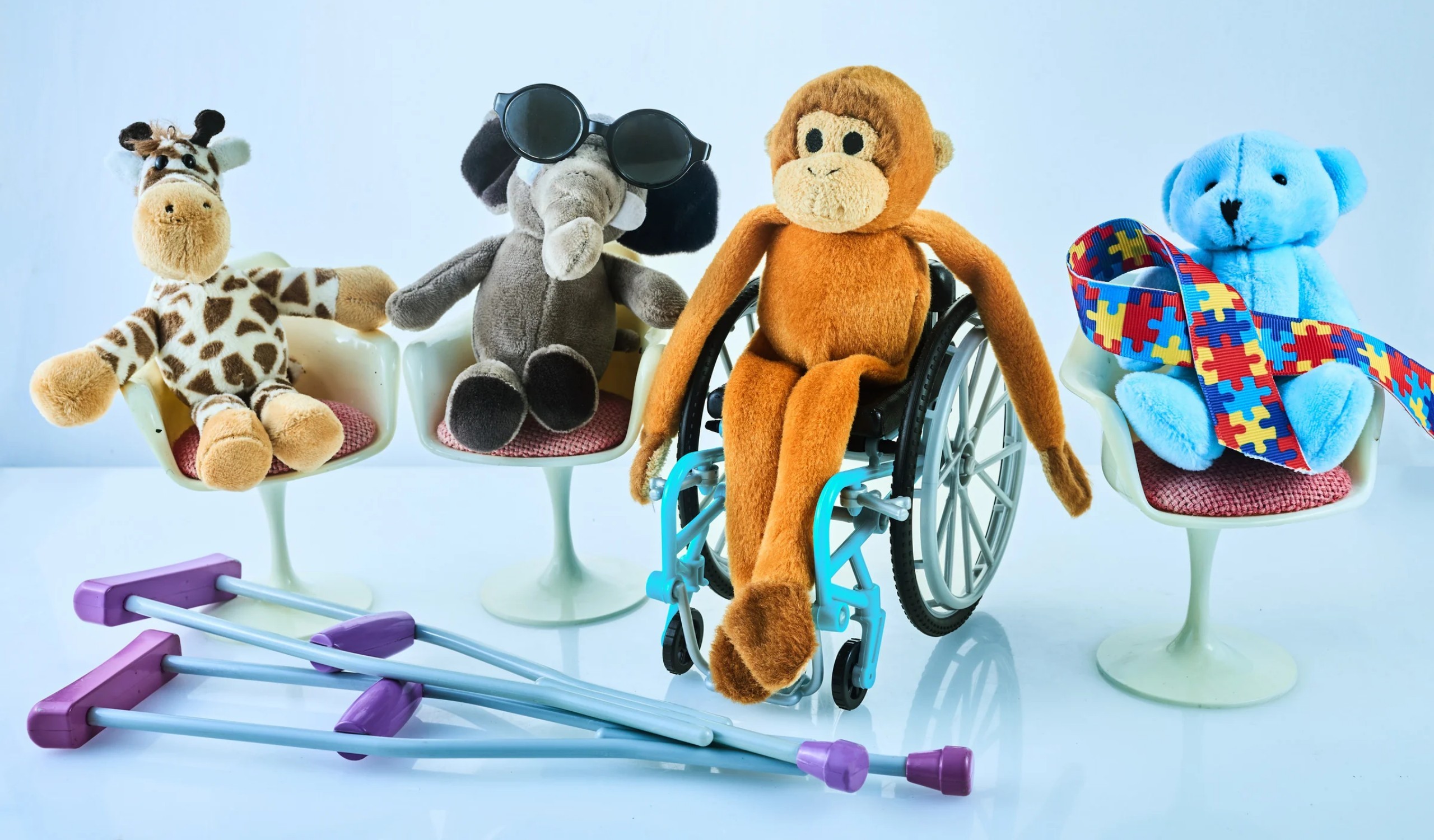
On December 3rd, the world will mark the International Day of Persons with Disabilities, and with it, commemorate the 20th anniversary of the adoption of the Convention on the Rights of Persons with Disabilities by the United Nations. The theme this year is ‘Building Progress, Advancing the Future’, and it invites the international community to take some time to think about the Convention’s significance and the achievements it’s brought about over the past twenty years. Not only that, but it gives us a chance to consider some of the ways in which we can strengthen its implementation, particularly on a grassroots level.
Grassroots is where we at Access2Africa Safaris come into the mix. For many years, we have been at the forefront of ensuring that the slice of heaven that we get the privilege of calling home is accessible to all visitors who wish to come. And so we would like to take some time to talk about what we do on an everyday basis, and what we feel we do best: helping to get travelers with disabilities in the bush here in KwaZulu-Natal.
Before we get to that though, a bit of news we’re still a little surprised by.
A provincial award for Jennae
Our founder, Jennae Bezuidenhout, has been named KwaZulu-Natal runner-up in the 2026 Presidential MSME and Co-operatives Awards, in the Businesses Run by Disabled Women category. The awards are run nationally to recognise small businesses and co-operatives, with categories for businesses owned by women, young people and persons with disabilities.
“Every guest who has trusted us with their holiday is part of this. Recognition like this tells us we’re on the right track, and it pushes us to keep raising the bar.”
We’re a small operator in Hluhluwe, so recognition like this matters. It not simply the fact that we got to attend a glitzy event or that we were celebrated on stage; it’s the fact that it shows that accessible tourism is a real and viable business opportunity, and can and should be run by people with disabilities. It’s no longer acceptable to consider these types of services a charitable add-on, but instead, “proper” travel.
What “accessible” means when we say it
Look, we don’t need to reinvent the wheel when it comes to explaining what accessible means. It’s a topic regurgitated by many within the industry. Put simply, though, it’s something that goes far beyond simply ensuring a hotel room is spacious, or that there’s at least one grab rail in the bathroom. Instead, here at Access2Africa, we seek to match all of your needs, no matter how complex, and to ensure that your trip is as barrier-free as is humanly possible.
In practice, that means we take care of the following aspects.
Getting here. For most of our guests, the journey with us begins at King Shaka International Airport in Durban. From there, we’ll collect you in one of our own accessible vehicles and take you north into Zululand. That means there’s no need to hire a car and hope for the best, or to book a taxi only to discover at the kerb that it can’t take your power chair. It sounds simple, but for a lot of travellers that first leg is exactly where things tend to go wrong, and so we make sure it doesn’t.
Game drives. Our game drives take place in Hluhluwe-iMfolozi Park, one of the oldest proclaimed game reserves in Africa and home to the Big Five. You’re welcome to stay in your wheelchair for the drive, or transfer to a seat if you’d prefer, whichever is more comfortable for you. Either way, the whole point is that you get to see the animals properly, not peer at them over somebody else’s shoulder.
On the water. If hippos, crocodiles and an almost endless variety of birdlife are on your wish list (and, honestly, they should be), then the St Lucia estuary in the iSimangaliso Wetland Park is the place to be. We use an accessible boat for the estuary trip, so it’s an experience that everyone in your group can enjoy together.
Where you sleep. We only book rooms we know first-hand, not rooms that a website happens to describe as “accessible”. In practice, that means looking at the things that actually matter: door widths, bed heights, roll-in showers, grab rails and, just as importantly, the route from your room to the dining area. After all, a perfect bathroom isn’t much use if you can’t get to breakfast.
The bits nobody advertises. Then there are the details that rarely make it into a brochure: accessible toilets along the route, time built into the day for personal care, shade and rest stops in the summer heat, and somewhere to charge your power chair or other equipment overnight. They might not sound glamorous, but in our experience they’re what decide whether a trip is truly enjoyed or simply endured.
Not only wheelchair users. While mobility is the need we plan around most often, it’s far from the only one. We also welcome guests who are deaf or hard of hearing, as well as those who are blind or partially sighted. Every trip is shaped around the person in front of us, rather than a checklist.
Why we’re saying this now
Awareness days like 3 December are important, and we’re genuinely glad they exist. But the people we work with live with access barriers on the other 364 days of the year too. So if you’re a disabled traveller, or you travel with someone who is, we’d simply like you to know that there’s a way to experience a South African safari that’s planned around you, right from the moment you land.
And if a trip in 2027 is something you’ve been mulling over, now really is a good time to start the conversation. Accessible rooms and vehicles are limited, and the best ones tend to go first.
Whether you’ve already got dates pencilled in or you’re only just starting to wonder what’s possible, we’d love to hear from you. Drop us a message through our enquiry page and tell us a little about yourself and what you’re hoping to see, and we’ll take it from there. No question is too small, and there’s no obligation, just a friendly chat about how we can make your safari happen.
Lastly, a heartfelt thank you to everyone who has travelled with us, recommended us to a friend, or pushed us to do better over the years. This award belongs to you just as much as it does to us.