Packing Tips for an Accessible Safari
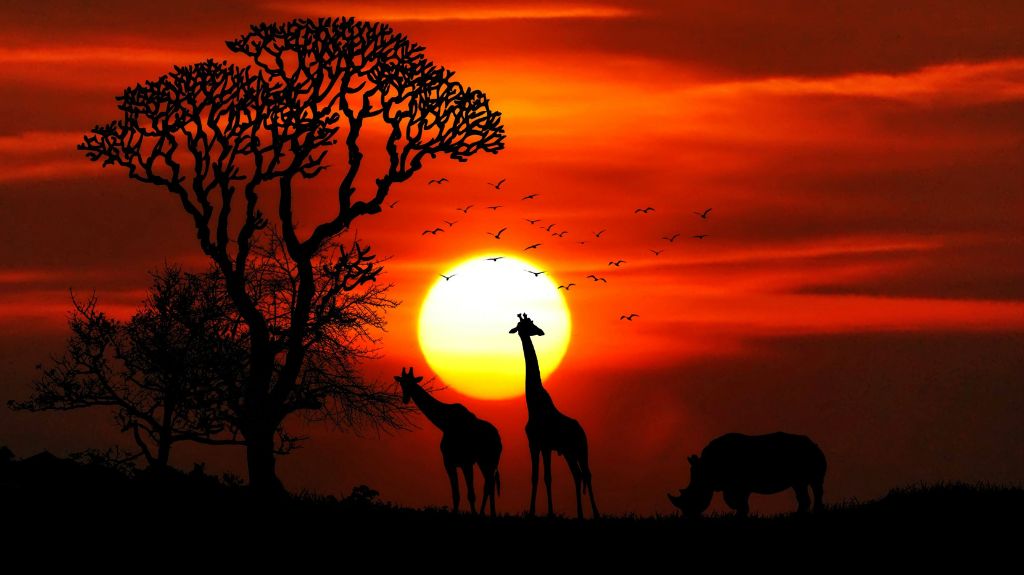
What could be more magical than visiting the very continent where human life began? To a region of the world where you can go from spotting lions in the bush, one minute, to hearing elephants trumpeting in the distance, the next. And who can omit the perfect African skyline, which seems to roll on for eternity, and looks particularly breathtaking at both sunrise and sunset?
Focusing on South Africa, here we have one of the most popular safari destinations on the planet, and for good reason! The vast diversity of wildlife, landscapes, culture, and history is nothing short of dreamlike. But like any journey undertaken, a safari requires some planning, and that extends to the process of packing!
There’s lots to add to your packing checklist, including: the terrain and climate of your destination, any accessibility needs you may have that require you to bring personal equipment/tools, and medical supplies, just to name a few considerations. In this guide, we’ll share some of the ways you can ensure you’re fully prepared for an accessible safari adventure!
Good to Know Before You Go
Climate Matters
Like almost everywhere on Earth, South Africa’s climate varies by region and season. In Durban of KwaZulu-Natal, you’ll be met with subtropical climates, making it warm to hot practically all year round. Expect summer rains from October to March and dry, mild winters from June to August.
In contrast, Cape Town has a more Mediterranean climate, with wet (and windy) winters and hot, dry summers. They don’t call it the Cape of Storms for nothing!
About Our Game Reserve Safaris
Game reserve safaris are our speciality here at Access 2 Africa Safaris, using adaptive vehicles, we’re able to help guests get up close with wildlife, whilst not compromising on safety or comfort. What’s more, there’s no need for wheelchair users to transfer into a regular seat in our vehicles, and there’s no need to worry about rough terrain!
Are You Beach-Ready?
Many of our itineraries also include beach days and water activities. Whether you’re dipping your toes into the Indian Ocean or enjoying a boat ride, be prepared to get wet, and bring a sense of adventure!
Don’t Forget Your Documents
Travel Essentials
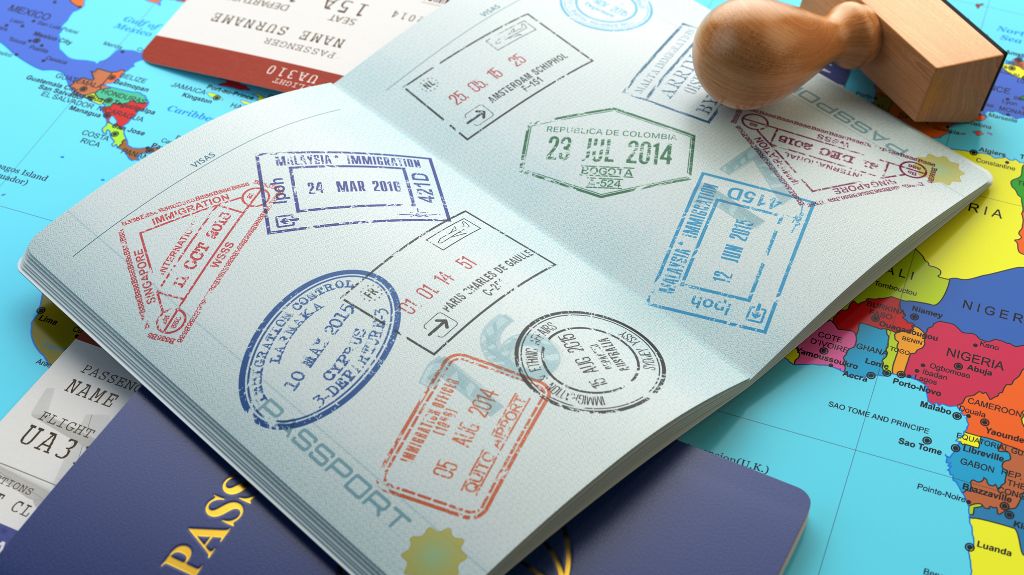
It may seem basic, but don’t forget your passport, necessary visas, and some travel insurance that specifically covers any medical devices you may be bringing with you.
Medical & Accessibility Notes
It’s advisable to bring both printed and digital copies of your prescriptions, doctor’s notes, and vaccination records. It’s also a good idea to carry a summary of your medical history, allergies, and emergency contacts.
And while Access 2 Africa Safaris works with you to tailor your experience, it’s always helpful to share your access needs ahead of time. We’ll make sure everything is ready for your arrival.
What About Clothing?
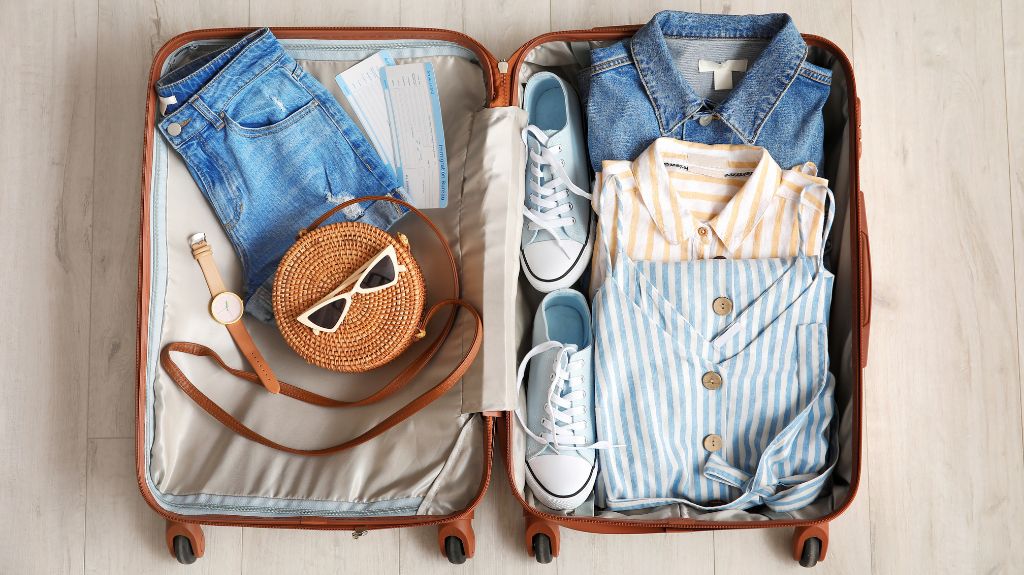
Comfort is key. You don’t want aspects of your dream holiday spoiled by not having appropriate clothing. Opt for lightweight, breathable fabrics that’ll help you stay cool in hot, humid weather. A light rain coat or poncho will also be handy, in case you get caught in any afternoon showers, or are hit with some cooling sea spray. Wide-brimmed hats and sunglasses are also a must to help protect yourself against the unforgiving African sun.
We also advise guests to wear neutral-colored clothing, like beige, olive, and brown. There’s a reason why you see folks on safari wearing these types of colors on TV: it’s to avoid attracting the unwanted attention of lions and other dangerous animals.
Access & Mobility Equipment
Be sure to bring any mobility equipment that supports your independence and comfort. This might include your wheelchair or scooter, cushions, gloves, and any other comfort aids.
Furthermore, don’t forget chargers, voltage converters, and plug adapters. In South Africa, we use Type M plugs and 230V power. If you use portable ramps, grab bars, or other accessories at home, bring them, and let us know in advance so we can help accommodate you.
Health & Hygiene Musts
If you take any medications, it’s really important to not only bring enough for your trip, but also extra, just in case you either lose some or something unexpected happens, like your return flights are delayed and you’d otherwise be out of medication for some time.
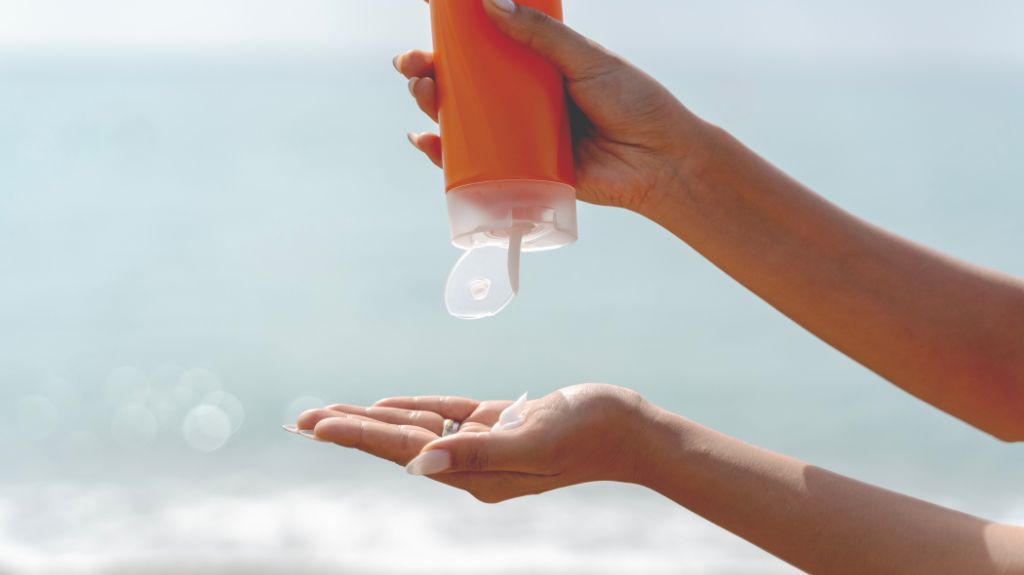
Sunscreen and insect repellent are also must-haves, especially in rural areas or game reserves where mosquitoes are active. Malaria is a real (though manageable) threat in some parts of Africa, so it’s important to stay protected.
Other useful items include hand sanitizer, wet wipes, and any toileting or hygiene aids you use regularly.
Tech & Accessibility Gear
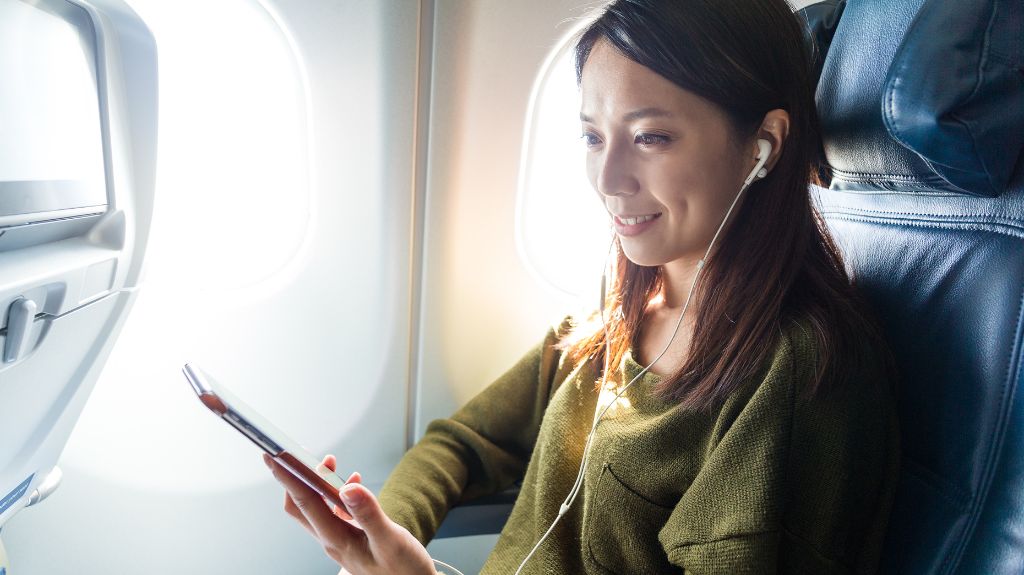
You may want to bring items like noise-cancelling headphones for long flights or moments of sensory overload. Load up your smartphone or tablet with your favourite apps and games for downtime moments, such as transit. And of course, whatever you do, don’t forget your camera!
Voice assistants or screen readers can support travelers with low vision or dexterity needs. And if you’re headed off-grid for the day, a solar charger or power bank ensures your devices stay charged and ready.
Optional, But Helpful Items
While the essentials will cover your bases, a few thoughtful extras can really elevate your safari experience. Think of them as the little luxuries that add an extra layer of ease and enjoyment along the way.
Binoculars with grips or neck straps can make wildlife spotting even more thrilling, especially if holding them steady for long stretches is tricky. A travel pillow or seat cushion can work wonders during extended game drives or flights, offering that much-needed boost of comfort.
Staying hydrated is key, so consider packing a water bottle with accessible features, like a flip-top lid or built-in straw. It’ll make sipping on the go far more convenient. And for keeping your essentials close? A backpack that clips onto your wheelchair or has easy-to-reach compartments means you can carry what you need while keeping your hands free for photos, or high-fives!
Final Thoughts
Packing for safari isn’t just a task; it’s the first step in crafting an unforgettable journey. When you take the time to consider your needs, comfort, and sense of adventure, the result is a trip that’s not only accessible but truly empowering.
At Access 2 Africa Safaris, we believe everyone deserves the magic of the wild. Let us know your access requirements in advance, and we’ll take care of the rest, from adaptive vehicles to tailored packing tips.
Ready to make it happen? Reach out to start planning or explore our sample itineraries. The safari of your dreams is waiting, and it’s closer than you think.